

How the Pope Became a Winemaker: The History of Châteauneuf-du-Pape
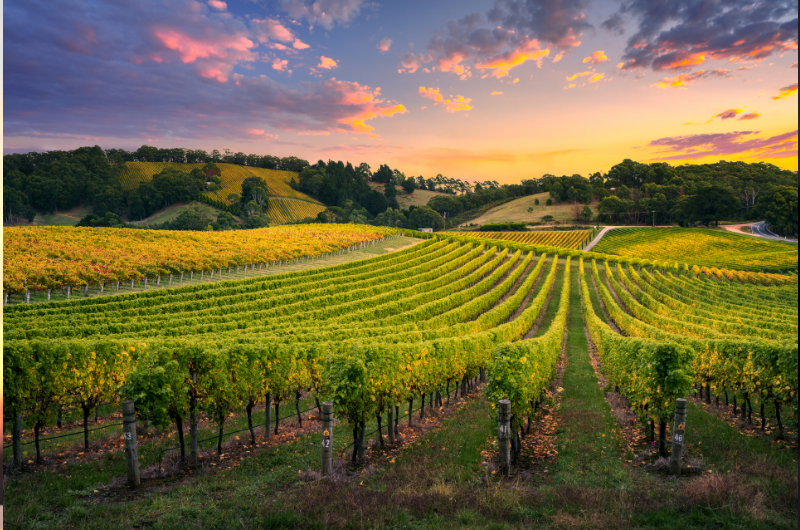
In southern France, nestled along the left bank of the Rhône River, lies a small village. Originally a humble mining hamlet called Calcernier, it caught the eye of Pope John XXII in the 14th century. The Pontiff chose this picturesque, sun-drenched haven to build his summer residence. From his magnificent estate came the village’s new name, Châteauneuf-du-Pape—meaning the Pope’s new castle. And this very same pope was also responsible for planting the first vineyards in this region. So what happened next?
When the Popes Left, the Wine Followed
The vineyards flourished, yet the primary and almost exclusive patron of the local wine was the papal court. Consequently, when the papal court departed from Avignon, France, local winemaking fell into sharp decline. The outbreak of the First World War, coupled with the phylloxera epidemic that struck the vineyards around the same period, dealt another devastating blow. Struck by so many hardships at once, the winemakers of that era simply could not keep afloat.
Fortunately for us, this was not the final chapter for winemaking in this charming village. Once the tremors of the First World War subsided, local winemakers found their second wind, and as the market revived, winemaking in Châteauneuf-du-Pape began to truly flourish once more. Embracing this new opportunity with great fervor, they campaigned to establish uniform guidelines for wine grape growing across the region.
Their efforts centered on standardizing the minimum alcohol content and strictly defining the boundaries of the area entitled to bear the Châteauneuf-du-Pape name. In elevating the quality of the wines and achieving prestigious standing, these French wine growers inadvertently laid the cornerstone of the appellation d’origine contrôlée system, which remains in place nationwide today to protect the traditional names and heritage of French agricultural products.
18 Grape Varieties in 1 Châteauneuf-du-Pape
Mention Châteauneuf-du-Pape, and you will be hard-pressed to find a single soul unfamiliar with the name. It is a legend recognized across the globe, cherished well beyond the circle of wine enthusiasts. Perhaps in part because these renowned vineyards lie just adjacent to Provence, one of France’s most beloved destinations.
And right here, an unmistakable wine is born—one that, in terms of quality and flavor, easily rivals the wines of Bordeaux. It is crafted through blending (assemblage), which is the art of combining several grape varieties together. In the case of Châteauneuf-du-Pape, winemakers are permitted to blend up to 18 select varieties. The foundational variety is Grenache, which is married with:
- Syrah
- Grenache Noir
- Grenache Gris
- Bourboulenc
- Mourvèdre
- Muscardin
- Clairette Rose
- Clairette Blanche
- Cinsault
- Roussanne
- Counoise
- Terret Noir
- Vaccarèse
- Picardan
- Piquepoul Gris
- Piquepoul Blanc
- Piquepoul Noir
Today, however, very few producers take full advantage of this palette, crafting their final cuvée from around five grape varieties.
Powerful wines that age for up to two generations
In Châteauneuf-du-Pape, you will rarely come across a white wine, and never a rosé. The vast majority of local production consists of red wines brimming with tannins, making them destined for long aging. Before reaching their superb, full-bodied flavor and enchanting fruit aroma, they spend 12–14 months resting in large oak barrels. Some wine producers, however, let their wines mature in barrels for several years.
Their flavor shines best alongside red meats and cheeses, yet these wines also pair wonderfully with the bold, savory notes of olives or garlic. Taste the difference for yourself. Prepare your glasses and awaken your palate. All that is left is to choose from the legendary papal wines waiting for you in our e-shop.
Select wines. In your email.
once every month. You can look forward to our recommendations, interesting content, and great offers for your archive.
By sending an email you agree to the Terms and Conditions for Protection of Personal Data

